Large businesses have the advantage.
We exist to close the gap.

Large businesses have planning departments, strategists, and entire teams whose job is to turn vision into coordinated action. They have invested heavily in getting this right.
Small business owners have none of that. They carry the whole thing — the direction, the decisions, the priorities — in their heads.
Alone.
That gap is expensive. Not just financially. In time, momentum, and the grinding sense that effort is not becoming progress.
The Vision to Action Roadmap was built to close it. To give small business owners access to the same quality of structured, strategic thinking that large organisations take for granted — without the consultants, the jargon, or the cost.
Not a framework handed to you. A process to work through — so that what you leave with is your plan, built from your reality, for your business.
Because a plan you built yourself is a plan you believe in. And belief is what drives execution.
Every small business deserves a fighting chance.
Not just to survive — but to build something that earns a real income, creates real freedom, and makes them genuinely proud.
Where the Roadmap comes from
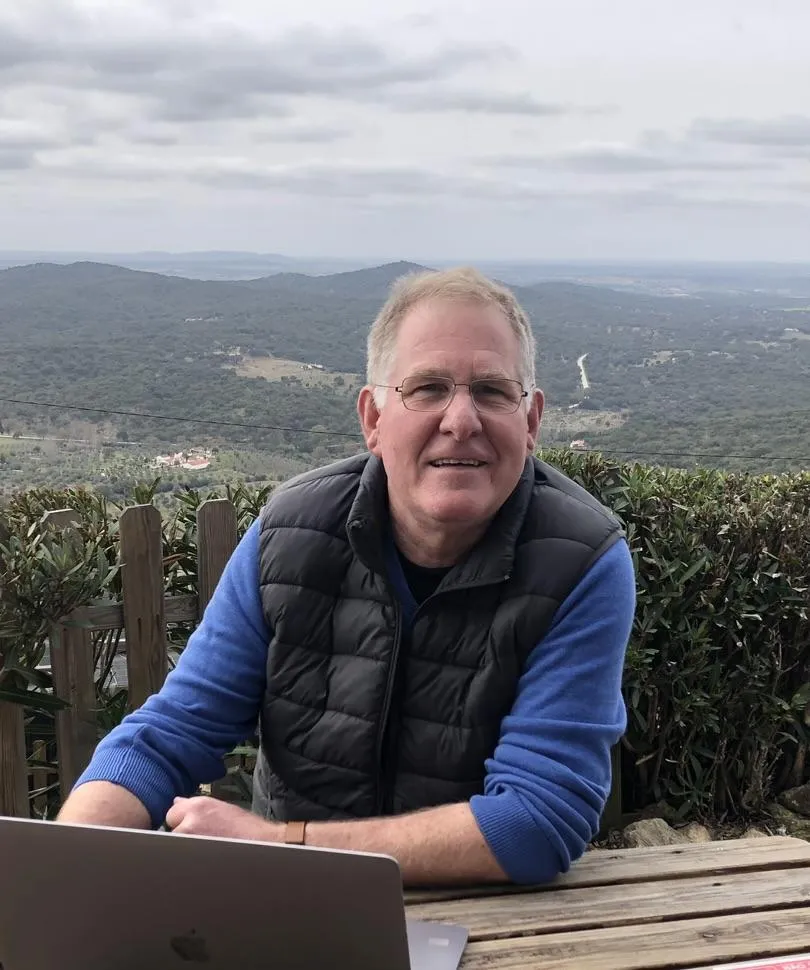
Thirty years ago, I started noticing a pattern. Inside the large organisations I worked with — including Coca-Cola, Unilever, Virgin, and 3M — there were processes. Structured, tested, refined ways of thinking about destinations before actions. Ways of sequencing work so that effort compounded instead of scattering. These organisations had invested heavily in getting this right.
Then I started working more closely with smaller businesses and solo operators. I saw the same intelligence, the same drive, and the same genuine belief in what they were building. But very often, they did not have the architecture. Not because they were less capable — but because the kind of structured thinking that helps larger organisations move forward had never been properly translated for the people who often need it most.
So I took the best of what I had seen work inside structured organisations, stripped out what did not belong in a smaller, faster, more personal business, and built something practical around it. The Vision to Action Roadmap.
The problem is architecture, not ambition.
The core lesson from all those years is simple: a business usually drifts because too many decisions are made without a clear enough filter.
Everything feels important. Good ideas compete with better priorities. The owner reacts to what is loudest, while the work that would create real progress keeps slipping.
They want to push. They just do not know what to push. That is not a personal failing. It is an architecture problem. And architecture can be fixed.
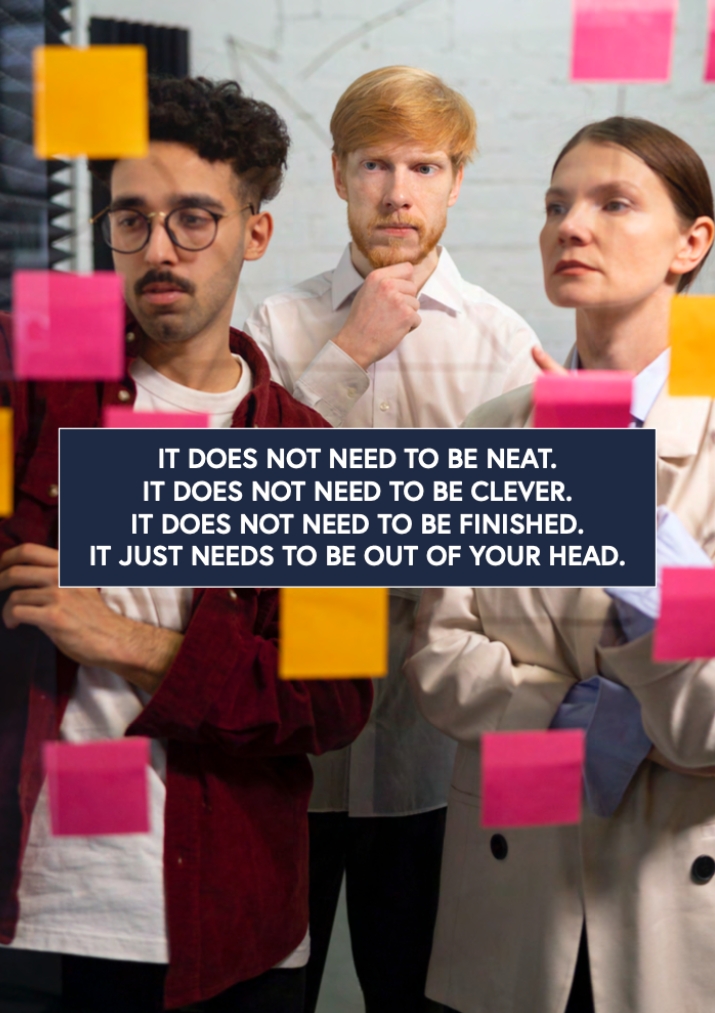
Why you build it yourself
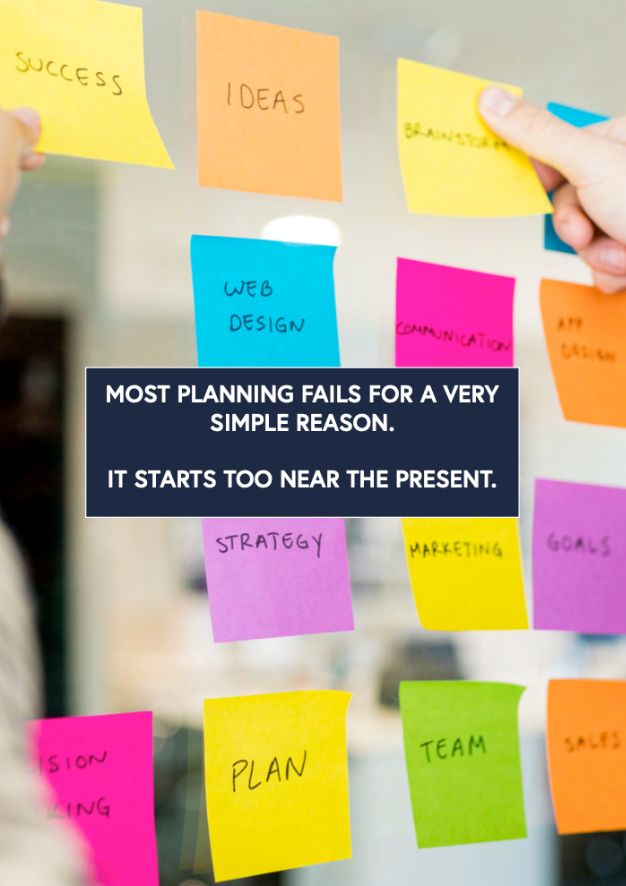
The Roadmap is different from most frameworks, courses, and productivity systems in one important way: you build it yourself.
There are plenty of people who will hand you a plan and ask you to follow it. But a plan handed to you from the outside rarely carries enough ownership. When real life pushes back — when clients need attention, when the inbox fills up, when cash flow matters, when doubt creeps in — a borrowed plan is easy to abandon.
The Roadmap guides your thinking, but the ownership stays with you. You clarify the destination. You map the milestones. You decide what matters now, what can wait, and what needs to stop taking up space.
The process gives you structure, but the plan is yours.
A plan you build yourself is a plan you believe in. And belief is what drives execution.
Both worlds
I have spent my career working across organisations of many different sizes — from multinational businesses operating across multiple markets to small businesses and solo operators trying to build something meaningful with limited time, money, and headspace.
For twelve years, my partner Vicki and I also ran a guest house and café in Evoramonte, Portugal. That was a very real business, built from nothing, run in a tight owner-operated environment.
I know what it feels like to carry everything — to be the bottleneck on decisions, to move from one urgent issue to the next, and to be busy without always being certain what the business is building towards.
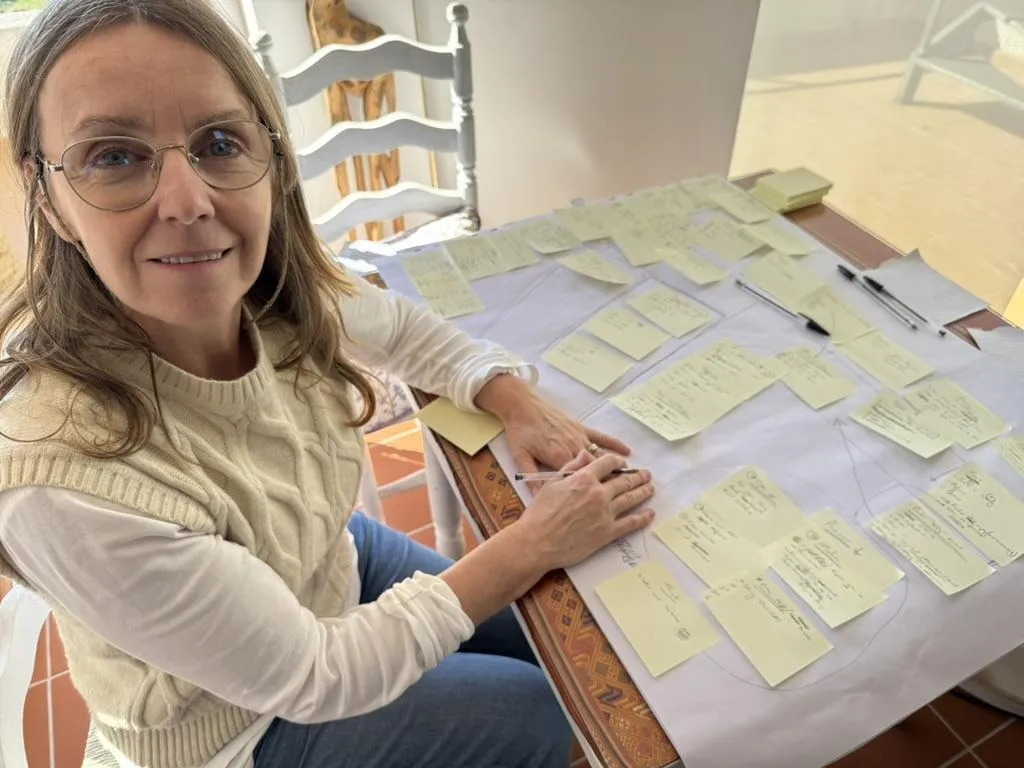
Big business taught me the value of structure. Small business taught me what structure has to survive: pressure, limited resources, emotional attachment, daily interruptions, and the reality that the owner is often both the strategist and the person fixing the printer.
The Roadmap was built from both worlds.
What this looks like in practice
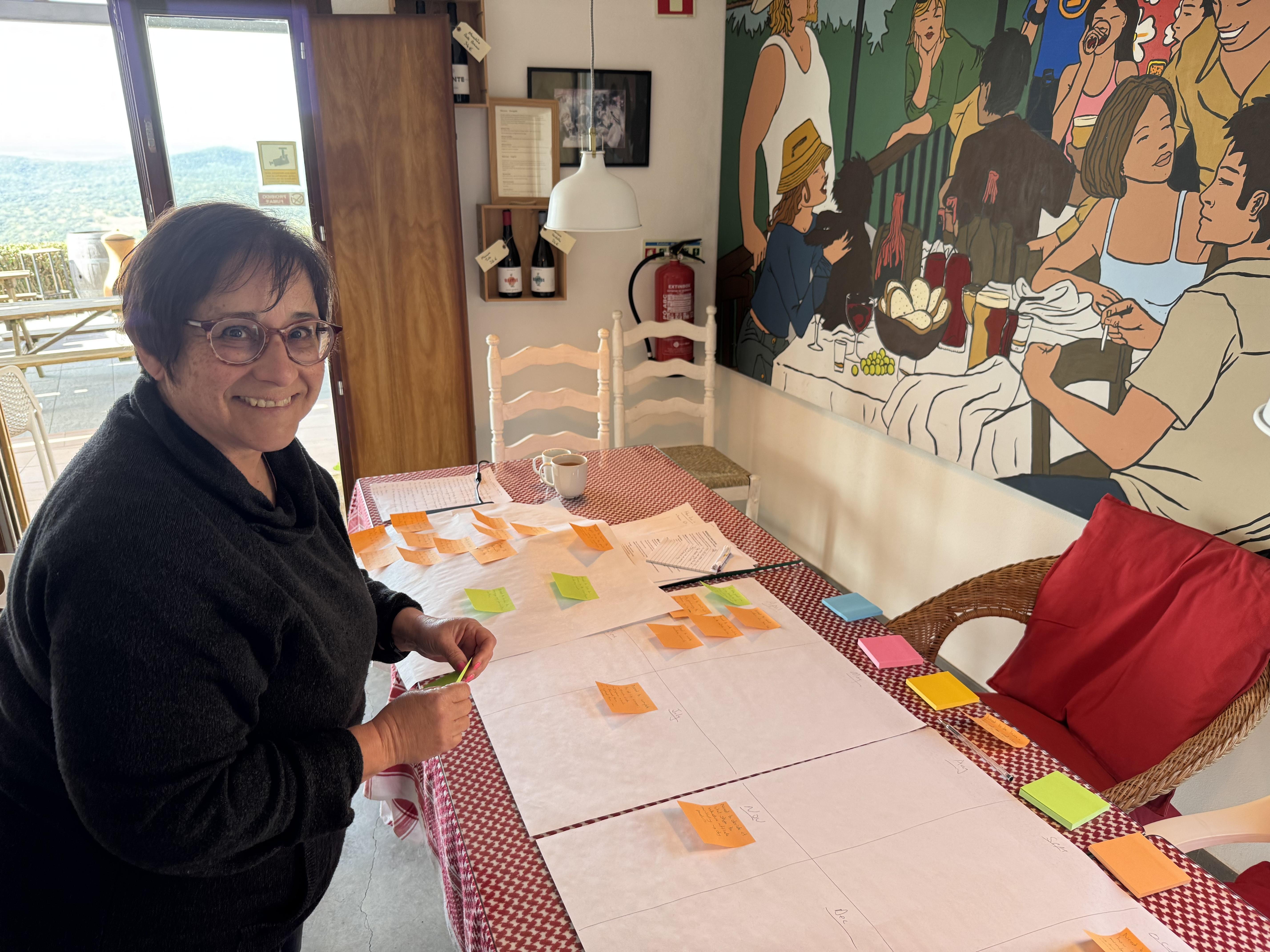
Owen arrived with a head full of ideas and no clear route. He left with a milestone map, a 90-day plan, and a 4-week focus set built around his reality.
Alexandra arrived overwhelmed, burning out, and feeling as though she was on a hamster wheel. She left with a sequence. Her words: she finally understood that all the work still had to be done — but in a logical order.
That is the shift the Roadmap is designed to create.
From scattered effort to clear sequence.
From reacting to everything to choosing deliberately.
From carrying the whole business in your head to working from a roadmap you can see, understand, and believe in.
Clarity. Sequence. Execution.
READY TO STOP REACTING and START BUILDING?
Three ways to build your roadmap. One clear path forward. A plan you built yourself.
Choose the level of support that's right for you.
Clarify your vision. Map your milestones. Focus your next move.
© 2026 Vision to Action Roadmap. All rights reserved.
Contact | Privacy Policy | Terms & Conditions